
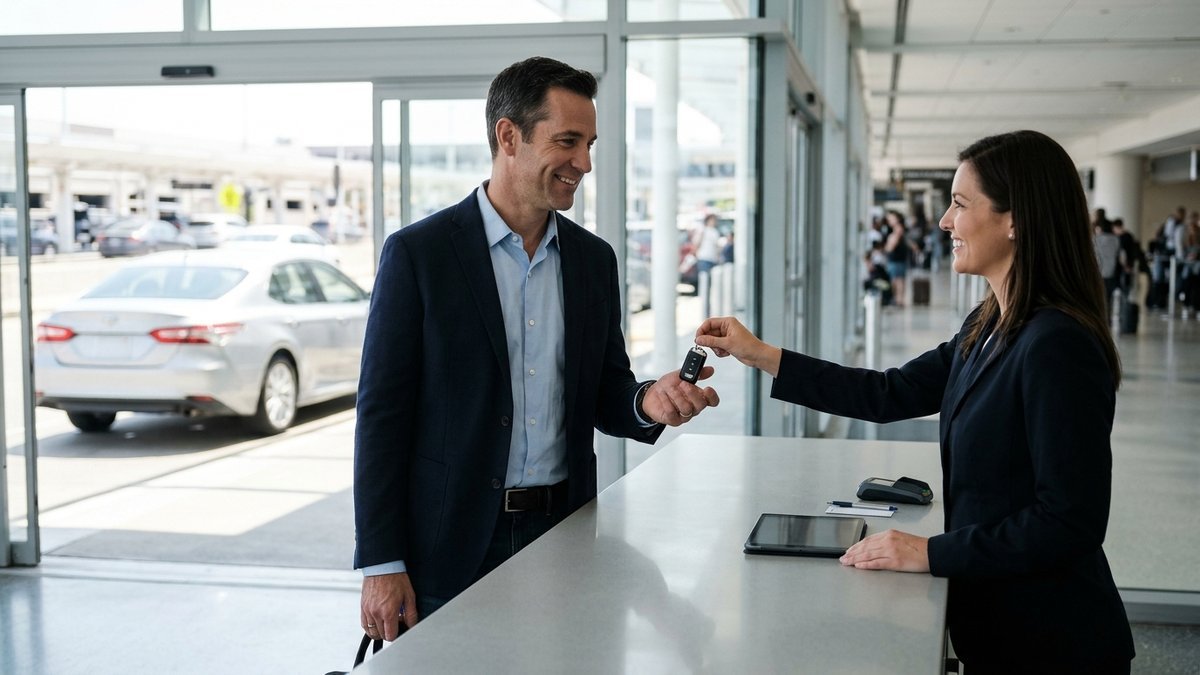
Whether you live in a walkable metro area and frequently rent vehicles through Avis, Enterprise, Turo, or Zipcar, sold your vehicle to avoid a coverage lapse between cars, or need to file an SR-22 / FR-44 financial responsibility certificate with the DMV to reinstate a suspended driver’s license without owning a car, a named non-owner auto policy is the most cost-effective solution on the market. Here is a complete 2026 analysis of non-owner car insurance cost by driver profile, state, and carrier.
Quick Takeaway: 2026 Non-Owner Car Insurance Rates
In 2026, the average national non-owner car insurance cost is $28 to $46 per month ($336 to $552 per year) for drivers with a clean driving record—roughly 55% to 65% cheaper than a standard liability-only car owner’s policy. For high-risk drivers requiring a Non-Owner SR-22 filing after a license suspension or DUI conviction, monthly rates average $58 to $115 per month ($696 to $1,380/year) plus a one-time $15–$25 state electronic DMV filing fee.
What Does Non-Owner Car Insurance Cover (and Exclude)?
A named non-owner auto insurance policy follows you as an individual licensed driver rather than being tied to a specific vehicle VIN. Understanding exactly how coverage triggers—and what it never pays for—is critical before declining rental counter coverage:
- What IS Covered (Bodily Injury & Property Damage Liability): Pays for third-party medical bills, lost wages, legal defense, and vehicle/property repairs if you cause an at-fault accident while driving a rented car, car-share vehicle, or a car borrowed occasionally from a friend or non-household relative. Depending on your state, it also includes Uninsured/Underinsured Motorist (UM/UIM) bodily injury and Medical Payments (MedPay) or Personal Injury Protection (PIP) for your own injuries.
- What is NOT Covered (Zero Physical Damage to the Car You Drive): A non-owner policy never includes Comprehensive or Collision coverage. If you wreck a rented Hertz sedan or scratch a friend’s SUV, your non-owner policy pays for the other driver’s damaged car, but pays $0 toward repairing the car you were driving! (To cover physical damage to a rental car, pair your non-owner liability policy with a travel credit card that provides primary/secondary Auto Rental Collision Damage Waiver, such as Chase Sapphire or Capital One Venture).
- The “Household Access” Exclusion: You cannot buy a non-owner policy to drive a car owned by your spouse, roommate, or parent living at the same residential address. Underwriters consider any vehicle parked in your household driveway to be available for your “regular use” and require you to be listed as a named driver on that owner’s policy.
2026 Non-Owner Car Insurance Cost by Carrier & SR-22 Status
Because non-owner policies cannot be quoted through standard VIN-based online forms on most insurer websites, you must request a “Named Non-Owner Policy” by phone or through an independent agent. Below are verified 2026 rate benchmarks across top national underwriters:
| Insurance Carrier | Clean Record (Monthly / Annual) | With SR-22 Filing (Monthly / Annual) | Electronic DMV Filing Speed |
|---|---|---|---|
| GEICO | $26 / mo ($312 / yr) | $54 / mo ($648 / yr) | Same-day electronic SR-22 in 45+ states |
| State Farm | $29 / mo ($348 / yr) | $62 / mo ($744 / yr) | 24–48 hours via local State Farm agent |
| Progressive | $34 / mo ($408 / yr) | $59 / mo ($708 / yr) | Instant electronic SR-22 / FR-44 transmission |
| Dairyland / The General (Non-Standard) | $39 / mo ($468 / yr) | $68 / mo ($816 / yr) | Instant downloadable SR-22 PDF + DMV push |
| USAA (Military & Eligible Families) | $21 / mo ($252 / yr) | $45 / mo ($540 / yr) | Same-day electronic filing |
The Rental Car Break-Even Math: Why Renters Save $400+/Year
When you rent a car at an airport counter without a personal auto policy, the rental company only provides state-minimum liability (often as low as $15,000/$30,000) and charges $15 to $22 per day for Supplemental Liability Insurance (SLI). Even your premium travel credit card (like Chase Sapphire Reserve or Amex Platinum) only covers physical damage to the rental car itself—credit cards provide $0 in third-party liability coverage!
If you rent a car for just 22 days per year (such as two 7-day vacations and four weekend trips), buying counter SLI at $18/day costs you $396. Purchasing a year-round $100,000/$300,000/$100,000 Non-Owner Auto Policy for $330/year covers every single rental trip all year long while also protecting your “Continuous Insurance History” tier!
Pro Tip: Prevent the 18%–35% “Coverage Lapse Surcharge” Between Cars
If you sell your car or turn in a lease and plan to wait 3 to 9 months before buying your next vehicle, never cancel your auto insurance outright! Going more than 30 days without active auto insurance flags you as an “Uninsured Lapse” in the LexisNexis CLUE database, causing insurers to surcharge your next car policy by 18% to 35% ($350–$600/yr). Instead, call your insurer the day you sell your car and downgrade your policy to a $28/month Named Non-Owner policy to keep your multi-year continuous coverage loyalty discount intact.
Special State Rules: Florida & Virginia FR-44 Non-Owner Filings
While most states require an SR-22 (which simply certifies state-minimum liability limits such as 25/50/25), drivers in Florida and Virginia convicted of a DUI/DWI must file an FR-44 certificate. An FR-44 mandates double the standard high liability limits (100/300/50 in Florida; 50/100/40 in Virginia) and frequently requires paying 6 months of premium in full upfront. Choosing a non-owner FR-44 policy when you do not own a vehicle reduces your annual FR-44 cost from $3,200+ down to roughly $1,100 to $1,650 per year.
Frequently Asked Questions About Non-Owner Car Insurance
Does a non-owner SR-22 policy satisfy an Ignition Interlock Device (IID) requirement?
A non-owner SR-22 policy satisfies the insurance financial responsibility requirement to start the clock on your 3-year SR-22 mandate and obtain a restricted/reinstated license. However, if a judge or state DMV specifically ordered an Ignition Interlock Device (breathalyzer) installed on a vehicle for a set number of months, an non-owner policy alone will not waive the physical IID installation requirement unless your state allows an employer-vehicle or non-driving affidavit.
Is my coverage primary or secondary when I borrow a friend’s car?
In almost all US states, auto insurance follows the vehicle first. If you borrow a friend’s insured car and cause an accident, your friend’s auto policy acts as Primary Coverage, and your Non-Owner Car Insurance policy acts as Secondary (Excess) Coverage—paying any liability claims that exceed your friend’s policy limits. When you rent a commercial rental car or Zipcar, however, your non-owner policy typically steps in as Primary Liability.
What happens when I finally buy a car while on a non-owner policy?
The moment you purchase or lease a vehicle registered in your name, you have 7 to 14 days (depending on state grace periods) to call your insurer and convert your Non-Owner Policy into a standard Owner’s Auto Policy with the vehicle’s VIN. Any unused non-owner premium is automatically credited toward your new policy.
Recommended U.S. Cost & Coverage Guides
- Commercial Fleet Insurance Cost in 2026: Per-Vehicle Rates, Telematics Discounts & USDOT Filing Guide
- Broad Form Auto Insurance Guide (2026): What It Covers, Costs & State Availability
- Commercial Fleet Telematics & GPS Tracking in 2026: ELD Compliance, Insurance Discounts, and Fleet ROI
- Commercial Fleet Insurance: Best Rates & Custom Coverage for Small Fleets


