
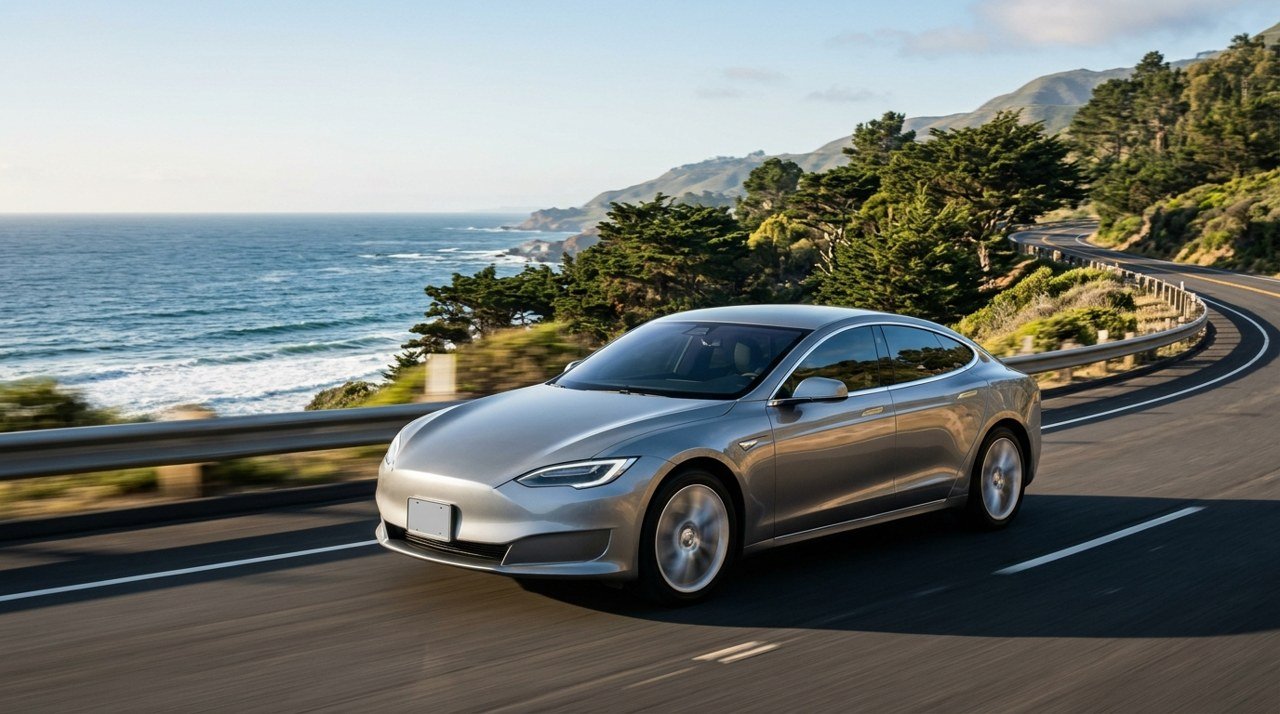
2026 Car Auto Insurance Quote Benchmarks: Full-coverage auto insurance averages roughly $1,900 to $2,550/year ($158–$212/month) nationally in 2026, while minimum liability-only policies run $650–$950/year. Because insurers weigh credit-based insurance scores, ZIP code theft rates, and telematics differently, getting 3 to 5 identical-limit quotes routinely saves $450 to $900/year for the exact same coverage.
Coverage Tiers to Match Before Comparing Any Auto Quote
| Coverage Line | Minimum Recommended Limit | Why State Minimums Are Risky |
|---|---|---|
| Bodily Injury Liability | $100,000 / $300,000 (or $250k/$500k) | State minimums ($25k/$50k) are wiped out by one ER stay |
| Property Damage Liability | $100,000 | New pickups & EVs easily exceed $55k–$75k to replace |
| Uninsured / Underinsured Motorist (UM/UIM) | Match Bodily Injury ($100k/$300k) | Protects you when hit by the ~14% of uninsured drivers |
| Collision & Comprehensive Deductible | $1,000 deductible (if $1k emergency fund ready) | Raising deductible from $500 to $1,000 cuts premium 12%–18% |
7 Proven Ways to Lower Your 2026 Car Insurance Quote by 20%–35%
- Raise Collision/Comprehensive Deductibles to $1,000: Keeping a $500 deductible often costs an extra $250–$380/year just for $500 of extra claim payout.
- Drop Collision on Cars Worth Under $4,000: Once your vehicle’s Kelley Blue Book private-party value drops below 10x your annual collision+comp premium, keeping full coverage rarely makes financial sense.
- Pay 6 Months or 12 Months in Full: Eliminates $5–$10/month installment fees and triggers a 6%–12% paid-in-full credit.
- Check Low-Mileage & Telematics (Carefully): Driving under 7,500 miles/year qualifies for low-mileage tiers, and safe daytime drivers can save 10%–25% with usage-based programs (skip if you frequently commute after 11 PM).
- Bundle Home/Renters + Auto: Saves 10%–25% across both policies.
- Use Your Own Credit Union / Auto Policy for GAP ($25/yr) instead of $900 dealer GAP.
- Re-Shop Every 18–24 Months: Loyalty almost never pays in auto insurance; “price optimization” quietly raises renewal rates on long-term customers.
Frequently Asked Questions
Does requesting multiple car insurance quotes hurt my credit score?
No. Auto insurers use a soft credit pull to generate your credit-based insurance score, which has zero impact on your FICO credit score regardless of how many quotes you request.
Checking CLUE & MVR Reports Before Switching
Before binding a new policy, remember that insurers run your 5-year LexisNexis CLUE claims history and state DMV Motor Vehicle Record (MVR) right before final underwriting — even $0 glass/roadside towing claims can count as comprehensive claims at some carriers, so use AAA or a credit card roadside benefit instead of filing small towing claims on your auto policy. Comparing identical liability, UM/UIM, and deductible limits across one national direct carrier, one mutual carrier, and one independent multi-carrier broker takes under 20 minutes and ensures you never overpay at renewal. Also ask about defensive driving course credits, good-student discounts, and anti-theft device reductions that can shave an extra 5% to 10% off comprehensive and collision premiums. Keeping a clean 3-to-5-year driving record and maintaining continuous prior coverage without even a 1-day policy lapse remains the single biggest discount lever across every U.S. auto insurer. Reviewing your declarations page before every 6-month renewal ensures you never pay for outdated coverages or miss new multi-policy discounts.
How to Audit Auto Insurance Quotes Apples-to-Apples in 2026
Headline auto insurance quotes often look artificially cheap because one carrier defaults to state-minimum liability and a $1,000 deductible while another quotes 100/300/100 coverage with a $500 deductible. Before comparing monthly prices, lock every quote onto identical settings: the same bodily injury and property damage limits, matching Uninsured/Underinsured Motorist coverage, identical deductibles, and the exact same driver-history dates. Once coverage matches, targeted adjustments across seven underwriting levers typically trim annual premiums by 20% to 35%—worth $420 to $850 per year on an average $2,200 full-coverage policy.
7 Rate Factors That Cut Auto Insurance Quotes 20% to 35%
- Raise Physical-Damage Deductibles ($220 to $410/year saved): Increasing both collision and comprehensive deductibles from $250 or $500 to $1,000 lowers the physical-damage portion of a policy by 15% to 28%. Keep the $1,000 difference parked in an emergency fund so one claim never strains cash flow.
- Enroll in Telematics or Usage-Based Tracking (10% to 30% off): Most major carriers offer an immediate 5% to 10% sign-up discount for installing a 90-day smartphone or plug-in driving monitor, followed by renewal savings up to 30% if you avoid hard braking and late-night driving between midnight and 4 a.m.
- Update Your Annual Mileage Tier (8% to 14% off): Insurers frequently default drivers to 12,000 or 15,000 miles per year. If remote or hybrid work keeps you under 6,000 or 7,500 miles annually, submitting an updated odometer reading immediately drops your risk tier.
- Bundle Auto With Homeowners or Renters (12% to 22% off): Pairing an auto policy with a renters policy costing $15 to $20 per month often triggers a multi-line auto discount larger than the renters bill itself.
- Switch to Paid-in-Full and Autopay Billing (6% to 11% off): Paying a 6-month term upfront eliminates $4 to $8 monthly installment fees and unlocks paid-in-full pricing tiers.
- Complete a State-Approved Defensive Driving Course (5% to 10% off): A $25 to $45 online course typically locks in a 3-year credit in over 30 states, particularly for drivers over 55 or drivers with a clean recent window.
- Verify VIN Safety and Anti-Theft Credits (5% to 12% off): Confirm the quote reflects factory automatic emergency braking, blind-spot sensors, passive immobilizers, and overnight garage parking.
20-Minute Quote Shopping Playbook
Gather your current declarations page, driver license numbers, and VINs, then pull quotes from at least one direct carrier, one captive agent, and one independent broker representing regional insurers. Shop 15 to 21 days before renewal—many carriers apply an advance-quote discount of 5% to 9% that disappears when shopping within 48 hours of policy expiration.
Recommended U.S. Cost & Coverage Guides
- Medical Alert Systems with Fall Detection & GPS: 2026 Cellular vs Wi-Fi Monitoring & Monthly Fees
- Medicare Advantage 2027 Open Enrollment Preview: Comprehensive Dental, Vision & Out-of-Pocket Caps
- Walk-In Tub Shower Combos for Seniors: Hydrotherapy & Safe Bathing
- Top Medical Alert Systems for Independent Seniors


