
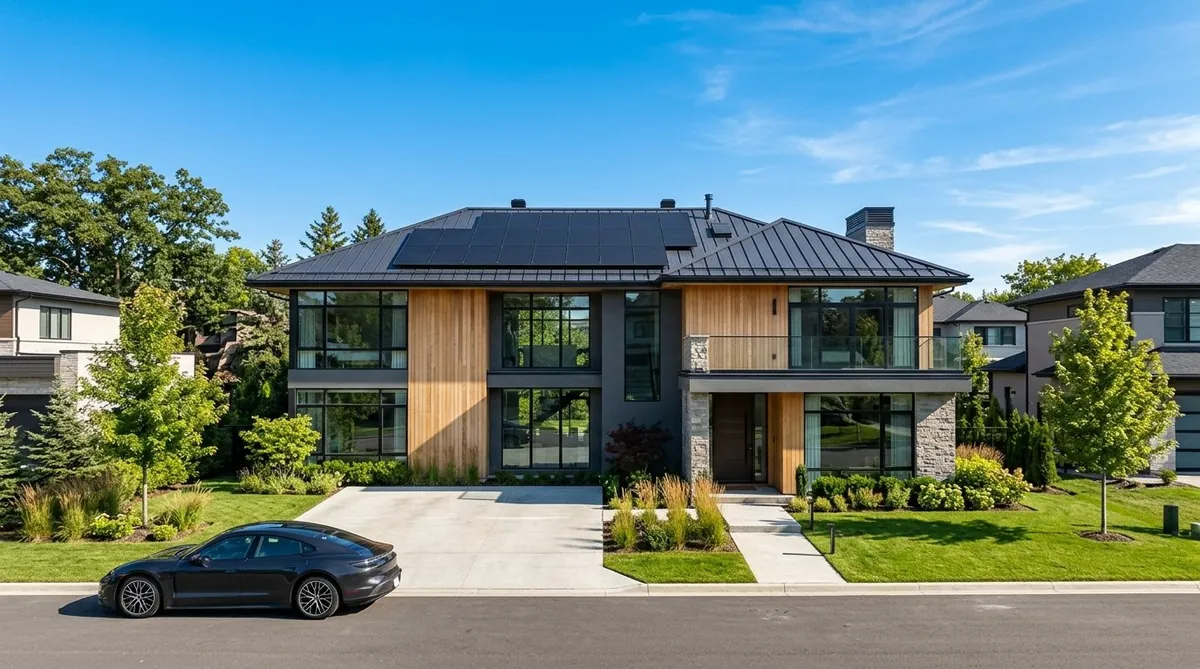
Escalating electricity utility rates have made residential solar energy one of the most profitable home improvement investments available today. Transitioning to clean solar power not only shields homeowners from unpredictable utility rate hikes but also significantly increases overall property value. With recent federal incentives and competitive local installation programs, residential solar has never been more financially accessible.
The Financial Mechanics of Going Solar in 2026
Installing a rooftop solar photovoltaic system allows your home to generate its own clean electricity during daylight hours. Excess energy produced can often be credited back to your account through local net metering programs, effectively offsetting electricity costs during evening peak hours. This self-reliance provides long-term insulation against rising utility prices.
Incentives and Financing Options to Maximize Savings
Homeowners exploring solar energy should take full advantage of substantial government and institutional financial incentives:
- Federal Solar Investment Tax Credit (ITC): Homeowners can deduct 30% of total solar equipment and installation costs directly from their federal tax liability.
- State Rebates and SRECs: Many states offer additional cash rebates, property tax exemptions, and Solar Renewable Energy Certificates that generate ongoing revenue.
- Solar Loans vs. Power Purchase Agreements: Direct solar loan ownership allows homeowners to claim all federal tax credits, while PPA leases require zero upfront capital.
- Battery Storage Integration: Adding modern lithium backup batteries ensures uninterrupted household power during severe grid outages and storms.
Choosing a Certified Solar Installation Contractor
Always request quotes from at least three licensed, NABCEP-certified solar contractors. Verify that proposals include Tier-1 monocrystalline panels, comprehensive 25-year manufacturer equipment warranties, and robust roof penetration workmanship guarantees.
Evaluating Your Roof and Sun Exposure
Before installing panels, a certified installer will evaluate your roof orientation, shading from nearby trees, and structural integrity. South-facing and west-facing roofs receive optimal solar irradiance throughout the year, ensuring maximum kilowatt-hour generation and the fastest return on your clean energy investment.
Maintenance and Long-Term System Reliability
Modern monocrystalline solar panels contain no moving mechanical parts, resulting in exceptionally low ongoing maintenance requirements. Routine annual panel rinsing with clean water and monitoring system output through mobile inverter apps ensures your array consistently operates at peak electrical generation efficiency for 25 to 30 years.
Final Recommendation
Residential solar systems typically pay for themselves within 6 to 9 years, generating decades of virtually free electricity thereafter. Requesting local solar assessments enables homeowners to lock in clean energy savings and achieve lasting utility independence.
Editorial Consumer Checklist: When researching top providers, always compare at least three written proposals, verify licensed credentials, and calculate total annualized costs. Taking time to evaluate contractual warranties and customer support satisfaction ensures transparent, long-term consumer value and complete financial protection for your household.