Discovering visible dark clusters of toxic black mold (Stachybotrys chartarum) along your basement drywall, noticing a persistent musty odor wafting through your HVAC registers, or discovering fuzzy white efflorescence across damp attic roof decking can induce immediate anxiety for any property owner. Beyond causing severe respiratory issues, chronic asthma flare-ups, and cognitive fatigue, unchecked mold colonizes organic building materials in under 48 hours, rapidly destroying framing integrity. Here is a definitive 2026 consumer guide to mold remediation cost, containment protocols, and air clearance benchmarks.
Quick Takeaway: 2026 Mold Remediation Cost Benchmarks
In 2026, the national average mold remediation cost for residential homes ranges from $1,500 to $4,500, with most homeowners spending approximately $2,850 for localized treatment. Unit pricing averages $10 to $25 per square foot for professional containment, HEPA air scrubbing, biocidal fogging, and surface scrubbing. Severe whole-home remediation projects involving water main failures or flooded crawl spaces can reach $6,000 to $12,000+.
Average Mold Remediation Cost by Location in the Home
Accessibility, moisture sources, and whether hazardous negative-air containment chambers are required dictate overall project billing:
| Contaminated Area / Zone | Typical Square Footage | Average Cost Range (2026) | Typical Remediation Method |
|---|---|---|---|
| Bathroom / Shower Wall Cavity | 30 – 80 sq ft | $650 – $1,800 | Drywall tear-out, antimicrobial wash, stud encapsulation |
| Crawl Space (Dirt Floor / Damp Joists) | 500 – 1,200 sq ft | $2,200 – $5,400 | Soda blasting, vapor barrier installation, French drain setup |
| Unfinished or Finished Basement | 600 – 1,500 sq ft | $2,400 – $6,200 | Negative air pressure, HEPA vacuuming, dehumidifier drying |
| Attic (Roof Sheathing & Rafters) | 800 – 1,600 sq ft | $2,800 – $6,800 | Dry-ice pellet blasting, antimicrobial sealant, soffit baffle install |
| HVAC Air Ducts & Air Handler System | Entire Home Network | $1,800 – $3,900 | Rotary brush duct scrub, EPA-registered biocidal vapor fogging |
Pro Tip: Separate Inspection from Remediation to Prevent Fraud
Never hire the same company to both inspect/test your indoor air quality and perform the remediation work. In states like Florida, Texas, and New York, doing so is legally prohibited as a conflict of interest. Always hire an independent industrial hygienist or ACAC-certified inspector ($350 to $600) to establish baseline spore counts and conduct the final Post-Remediation Verification (PRV) clearance test.
Hidden Costs and Contractor Upsells to Watch Out For
When reviewing remediation contracts, ensure line-item transparency. Some remediation firms leverage consumer fear to tack on unnecessary fees:
- Air Mover and Dehumidifier Rental Fees: Daily equipment rental fees ($75 to $150 per industrial unit per day) can quietly double your invoice if the drying period extends beyond 72 hours. Demand a capped drying fee upfront.
- Reconstruction vs. Mitigation: Mold mitigation contractors remove ruined drywall, insulation, and trim, but their contracts rarely include replacing them. Budget an additional $1,500 to $3,500 for drywall hanging, taping, priming, and painting to restore living spaces.
- Crawl Space Encapsulation Upsells: While clean crawl space encapsulation (adding a 20-mil vapor barrier and a dedicated Aprilaire or Santa Fe dehumidifier) is an exceptional long-term mold deterrent, it is a separate major capital upgrade costing $4,500 to $11,000. Don’t let contractors conflate basic active spore cleanup with full encapsulation.
Regional Cost Factors Across the United States
Geographic climate zones fundamentally alter mold incidence and contractor supply. In humid southeastern states (Florida, Georgia, Louisiana), ambient relative humidity frequently hovers above 75%, requiring commercial-grade desiccant dehumidifiers running continuously for 96 hours, elevating power and labor fees by 20%. Conversely, arid southwestern regions (Arizona, Nevada) experience mold almost exclusively from acute indoor plumbing ruptures, where rapid ambient drying decreases containment timelines.
The 5 Steps of an IICRC S520 Certified Remediation Protocol
Legitimate environmental contractors adhere strictly to the Institute of Inspection, Cleaning and Restoration Certification (IICRC) S520 standard:
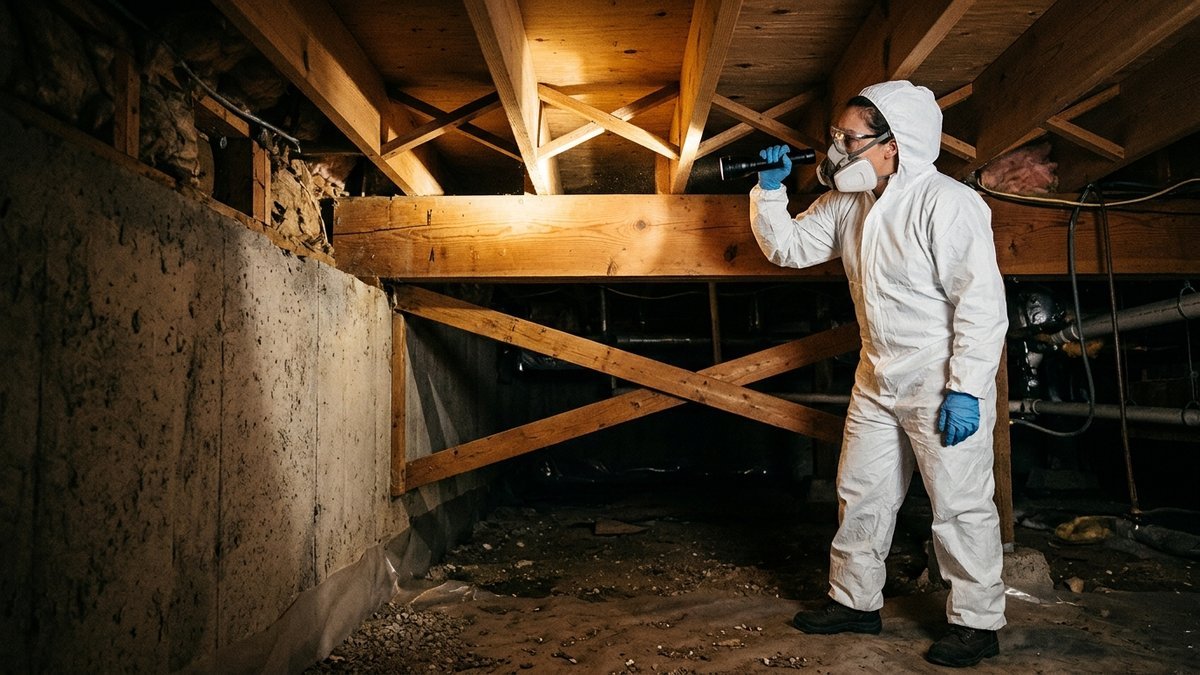
- Negative-Pressure Containment: Workers construct physical barriers using 6-mil poly plastic sheeting with zippered access chambers. High-volume HEPA air filtration units vent outside to prevent fungal spores from spreading into unaffected living spaces.
- Source Moisture Correction: Remediation is futile without fixing the root cause: plumbing leaks, roof penetrations, or unvented crawl space humidity must be permanently repaired.
- Selective Demolition of Non-Salvageable Porous Materials: Contaminated drywall, insulation batts, carpet padding, and acoustic ceiling tiles cannot be sanitized and must be double-bagged in 6-mil biohazard bags and discarded.
- Abrasive Media Blasting & Antimicrobial Application: Wood wall studs, subflooring, and masonry are treated using dry ice blasting, soda blasting, or wire-brush scrubbing, followed by EPA-registered fungicidal coatings.
- Post-Remediation Clearance Testing: Independent air spore trap sampling verifies that indoor airborne spore levels are equal to or lower than outdoor background baselines.
Foire Aux Questions (FAQ) / Frequently Asked Questions
Does homeowners insurance cover mold remediation?
Homeowners insurance typically covers mold remediation only if it directly resulted from a sudden and accidental “covered peril”—such as an instantaneous burst plumbing pipe or fire-hose suppression water. Mold resulting from deferred maintenance, long-term chronic roof leaks, groundwater seepage, or ambient high humidity is strictly excluded. Even when covered, many policies cap mold payouts at $5,000 to $10,000.
Can I clean up mold myself using bleach?
The EPA expressly advises against using chlorine bleach on porous building materials such as drywall, wood joists, or concrete. Bleach is 90% water; while chlorine evaporates on the surface, moisture soaks deep into the wood fibers, feeding deeper mycelial roots and causing mold to return aggressively within weeks. For small non-porous spots under 10 sq ft, use hydrogen peroxide or concrobium mold control solutions.
How dangerous is black mold compared to common house molds?
While Stachybotrys chartarum (black mold) produces toxic mycotoxins, other widespread molds like Aspergillus, Penicillium, and Cladosporium are equally capable of triggering allergic rhinitis, eye irritation, chronic sinusitis, and asthma attacks in sensitive individuals. Any extensive microbial growth inside a residence requires containment and remediation regardless of color.
How long does the professional remediation process take?
A typical localized mold remediation project (such as a crawl space, master bathroom, or laundry room) takes between 2 and 4 business days: 1 day for containment setup and material removal, 1 to 2 days for industrial dehumidification and HEPA scrubbing, and 1 day for third-party clearance air testing.
Recommended U.S. Cost & Coverage Guides
- Commercial Water Damage Restoration & Structural Drying in 2026: IICRC Standards, Insurance Direct Billing, and Cost per Square Foot
- Industrial Metal Roofing & TPO Commercial Roof Replacement in 2026: Cost per Square Foot, Warranties, and Contractor Bids
- Tankless Water Heater Replacement Costs 2026: Gas vs. Electric, GPM Sizing, and Energy Star Tax Rebates
- Window Replacement Costs: Double-Pane vs Triple-Pane Argon, Low-E Coatings & Energy Star Rebates (2026)