
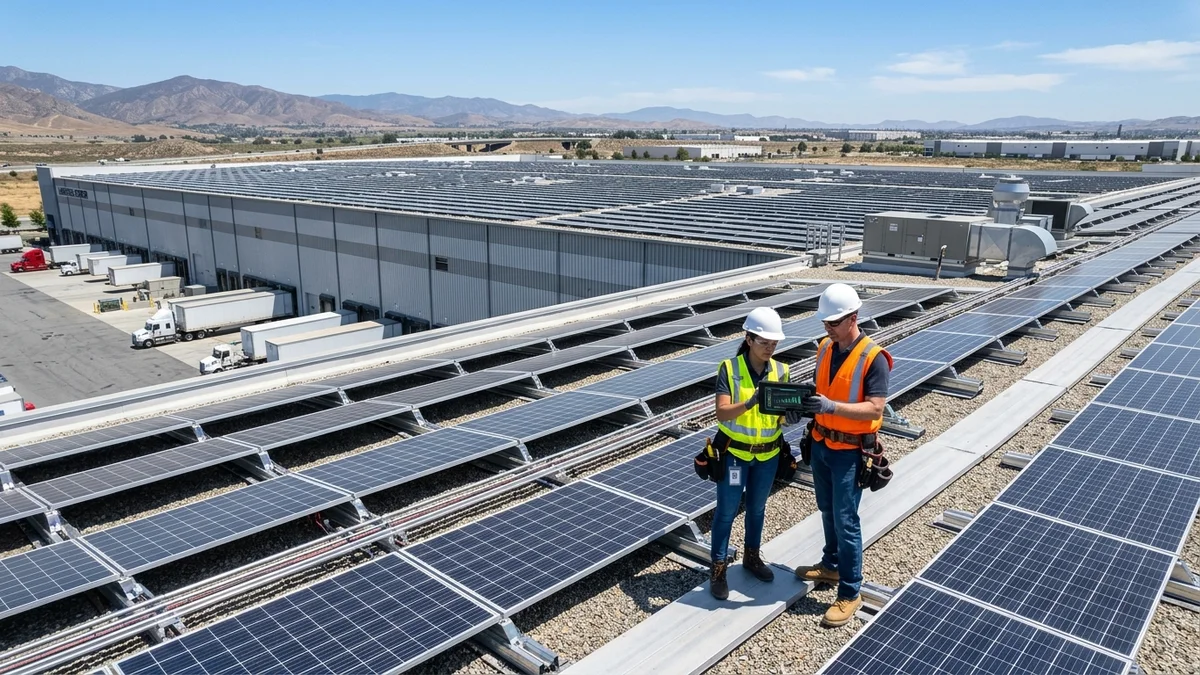
In September 2026, corporate commercial energy management across the United States has reached a critical fiscal turning point. Commercial electricity utility tariffs have surged by an average of 24% over the past two years, heavily impacting the operating margins of manufacturing facilities, cold storage warehouses, corporate offices, and distribution hubs. Fortunately, the extended federal clean energy frameworks under the Inflation Reduction Act (IRA) have solidified the most aggressive tax incentives in modern history for corporate property owners. By pairing the non-dilutive 30% federal Investment Tax Credit (ITC) with accelerated five-year Modified Accelerated Cost Recovery System (MACRS) depreciation, commercial enterprises can offset up to 65% to 75% of the gross capital expenditure of a solar photovoltaic (PV) system within the very first year of operation. Finding the right commercial solar installation quotes and financing structure is now an essential strategic mandate for CFOs and facility directors nationwide.
Key Financial Benchmarks for Commercial Solar in 2026:
- 30% Baseline Investment Tax Credit (ITC): Dollar-for-dollar direct reduction against federal corporate tax liability, with additional 10% domestic content and 10% energy community adders potentially elevating credits to 40% or 50%.
- Accelerated 5-Year MACRS Depreciation: Immediate recovery of approximately 85% of depreciable asset basis, creating massive paper depreciation deductions against operating income.
- Levelized Cost of Energy (LCOE): Generates onsite clean electricity at an equivalent cost of $0.045 to $0.065 per kWh, compared to utility grid rates frequently exceeding $0.18 to $0.28 per kWh in key metropolitan regions.
How the Federal 30% ITC and Bonus Adders Structure Real Savings
The Section 48 Investment Tax Credit provides a foundational 30% credit for commercial systems meeting prevailing wage and registered apprenticeship compliance requirements. However, in 2026, forward-thinking CFOs are capitalizing on statutory “bonus adders” that can substantially increase federal support:
- Domestic Content Bonus (+10%): Applicable when a verified minimum percentage of steel, iron, and manufactured components are produced within the United States.
- Energy Community Bonus (+10%): Applicable when the commercial property is situated in a census tract with historical employment tied to fossil fuel extraction or higher-than-average unemployment rates.
- Low-Income Economic Benefit Allocation (+10% to +20%): Available for qualified commercial facilities providing community solar access to surrounding low-income neighborhoods.
Commercial Solar Financing Comparison: Cash, Loan, or PPA in 2026
Corporate financial leadership generally evaluates three distinct capital deployment pathways:
1. Direct Capital Purchase (Self-Financed CapEx)
Best for: Tax-heavy corporations with substantial retained earnings seeking maximum 25-year ROI. The business retains 100% of the 30% ITC, all MACRS tax shields, and state solar renewable energy credits (SRECs). Payback periods typically range from 3.5 to 5.5 years, yielding an internal rate of return (IRR) exceeding 18% to 24%.
2. Commercial Solar Loan (C-PACE Financing)
Best for: Property owners who want to preserve working capital while maintaining ownership benefits. Commercial Property Assessed Clean Energy (C-PACE) financing provides 100% upfront capital with fixed repayment terms of 20 to 25 years tied directly to the property tax assessment. The building owner claims the 30% tax credit while the utility savings immediately exceed the annual C-PACE debt service from Day 1.
3. Power Purchase Agreement (Commercial PPA / Zero-Down)
Best for: Real estate investment trusts (REITs), non-profits, or corporations prioritizing risk mitigation over asset ownership. A third-party institutional solar financier designs, builds, owns, and maintains the rooftop solar plant at zero capital expense to the building owner. The tenant simply buys the generated electricity at a guaranteed, inflation-hedged discount (typically 20% to 35% below current utility rates).
Net Metering 3.0 and the Necessity of Commercial Battery Storage
In mature solar states such as California, Arizona, and New York, regulatory overhauls like NEM 3.0 have shifted utility compensation models from simple retail net metering to complex avoided-cost time-of-use tariffs. Under these updated rules, sending solar power back into the utility grid during mid-day yields significantly lower credit value.
Consequently, in 2026, over 80% of new commercial solar contracts integrate commercial lithium-iron-phosphate (LFP) battery energy storage systems (BESS). Onsite commercial batteries absorb excess solar energy generated during peak mid-day irradiance and discharge it during peak afternoon demand windows (typically 4 PM to 9 PM). This eliminates punitive utility demand charges—which often constitute up to 50% of a commercial electric bill—and delivers instant emergency backup power during grid blackout events.
3 Due Diligence Checkpoints Before Executing an EPC Contract
- Structural Roof Integrity and Remaining Shingle/Membrane Lifespan: Never install a 30-year commercial solar array on a commercial TPO or EPDM roof that has fewer than 15 years of remaining useful life. Coordinating roof replacement and solar installation under a unified contract allows significant portions of the roofing work to be amortized alongside clean energy incentives.
- Interconnection Queue Timelines with Local Utilities: Interconnection approval from utilities like PG&E, ConEdison, or Oncor can take anywhere from 3 to 9 months. Ensure your Engineering, Procurement, and Construction (EPC) partner initiates the interconnection application prior to final engineering freeze.
- Tier 1 Equipment Warranties with Bankability Certification: Insist on Tier 1 BloombergNEF-rated solar modules with 25-year linear performance warranties and 12-to-25-year inverter warranties backed by third-party re-insurance policies to safeguard asset value.
Unlock Your Commercial Solar Savings & Tax Incentives
Compare vetted commercial EPC contractors, calculate your 30% ITC deduction, and request competitive commercial solar bids customized for your facility.
Recommended U.S. Cost & Coverage Guides
- Commercial Property Insurance Cost in 2026: Building Replacement Value, Deductibles & Business Interruption
- Commercial Umbrella Insurance Cost in 2026: $1M to $10M Excess Liability Limits & Policy Endorsements
- Living Trust Cost in 2026: Revocable vs Irrevocable Attorney Fees, Probate Avoidance & State Comparisons
- Medigap Plan G vs Plan N in 2026: Cost Comparison, Coverage Differences & Rate Increases



1 thought on “Commercial Solar Tax Credits & MACRS Depreciation in 2026: 30% ITC, Net Metering 3.0, and Commercial PPA Financing”