
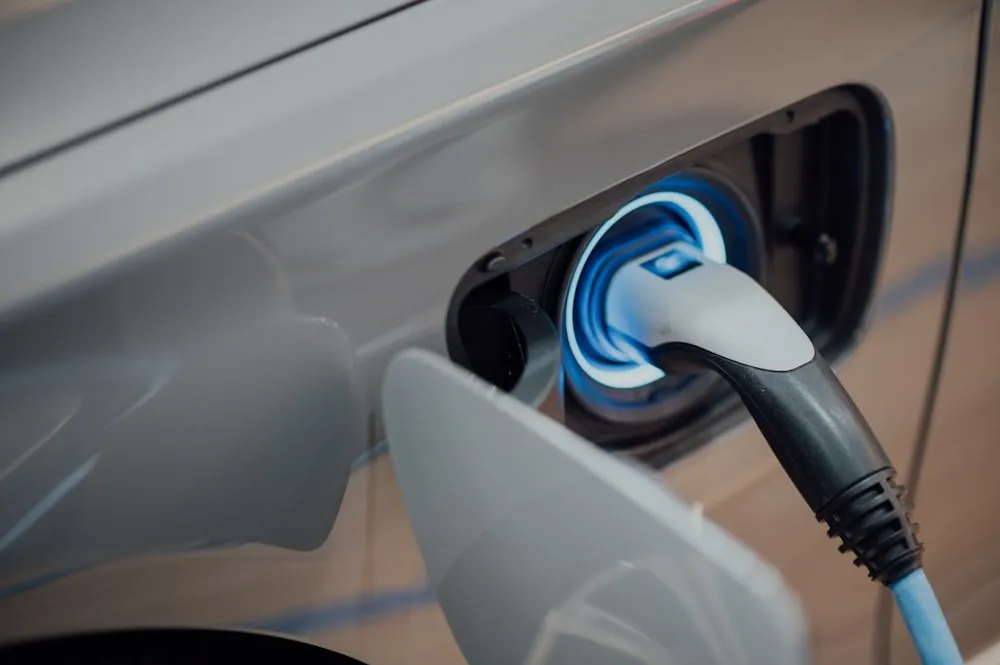
The global automotive transition toward electric vehicles (EVs) is accelerating rapidly as battery technology matures, charging infrastructure expands, and manufacturing scales. Beyond the immediate benefits of zero direct tailpipe emissions, whisper-quiet performance, and instant electric torque, the financial case for purchasing an electric vehicle has never been stronger, thanks to unprecedented federal, state, and utility clean vehicle incentives.
The Federal Clean Vehicle Credit (Section 30D)
Under current federal regulations, qualifying brand-new battery electric and plug-in hybrid vehicles can receive a federal clean vehicle tax credit of up to $7,500. Crucially, buyers can now transfer this credit directly to participating registered dealerships at the point of sale, applying the full $7,500 as an immediate cash discount off the vehicle purchase price rather than waiting to claim it on annual tax returns.
Key Eligibility Requirements for Maximum EV Savings
To qualify for full federal EV incentives, buyers and vehicles must meet specific regulatory criteria:
- Vehicle Price Caps: The Manufacturer’s Suggested Retail Price (MSRP) cannot exceed $80,000 for electric SUVs, vans, and pickup trucks, or $55,000 for sedans and passenger cars.
- Buyer Income Limitations: Modified Adjusted Gross Income (AGI) caps are set at $300,000 for married couples filing jointly, $225,000 for heads of household, and $150,000 for individual filters.
- Used Clean Vehicle Credit (Section 25E): Qualifying pre-owned electric vehicles priced under $25,000 can receive a 30% federal tax credit up to $4,000 at the point of sale.
- State Rebates and Utility Perks: Many progressive states provide additional cash rebates ($2,000 to $5,000), while local electric utilities offer $500 to $1,500 rebates for installing Level-2 home charging stations.
Substantial Long-Term Operating Savings
Charging an electric vehicle at home overnight costs approximately 60% to 70% less per mile than purchasing gasoline. Furthermore, EVs eliminate internal combustion maintenance costs such as oil changes, spark plug replacements, and catalytic converter repairs.
Commercial Clean Vehicle Lease Loophole
If a specific EV model does not qualify for purchase credits due to battery mineral manufacturing origin, leasing the vehicle bypasses consumer income and manufacturing restrictions. Dealerships receive the full $7,500 commercial tax credit and pass the savings directly into lower monthly lease payments.
Time-of-Use Electric Utility Charging Rates
Many regional electric utility companies offer specialized Time-of-Use (TOU) rate schedules with deeply discounted overnight electricity prices. Programming your electric vehicle to charge between midnight and 6:00 AM significantly reduces monthly charging expenses, making electric driving exceptionally affordable.
Conclusion
Stacking federal tax credits, state rebates, and utility incentives can reduce the net purchase price of a modern electric vehicle by over $10,000. Researching eligible models and claiming point-of-sale credits ensures maximum savings on your next clean vehicle purchase.